Anti corrosion treatment process for metal frame of greenhouse float
2026-07-29 18:45:10
Greenhouse floats are exposed to high humidity environments in greenhouses for a long time, and will continue to come into contact with condensed water vapor, water and fertilizer mist, and soil salts. The anti-corrosion treatment of the metal frame directly affects the use of the equipment. At present, the mainstream anti-corrosion methods for metal frames of seedling floats are divided into three categories: hot-dip galvanizing, electroplating galvanizing, and spray coating. There are differences in the processing flow, coating characteristics, and applicable scenarios of different processes. This article explains the processing points and actual working conditions of various anti-corrosion processes.
Hot dip galvanizing is a commonly used treatment method for greenhouse float frames. The processing flow is to first complete all profile cutting, bending, punching, welding and other forming operations, and then carry out pre-processing procedures. The components are sequentially degreased, degreased, acid washed, rust removed, and coated with solvents to remove oil stains, rust, and oxide scales on the surface of the steel; After processing, immerse in molten zinc solution, and metallurgical bonding occurs between the steel substrate and the zinc layer, forming a zinc iron alloy protective layer on the inner and outer surfaces of the component. After the workpiece is taken out of the pot, shake and zinc removal, water cooling and straightening are completed, and then appearance inspection and repair are carried out. The coating is attached to the welding seam and inner wall of the channel of the profile, which can form physical isolation for the metal substrate. Even if there is slight scratching on the surface, the zinc layer can still play a protective role, suitable for high humidity and fertilizer salt spray environments in greenhouses.
Electrogalvanizing, also known as cold galvanizing, belongs to the electrochemical electroplating process. After the components are machined, they are placed in an electroplating tank and zinc ions are attached to the surface of the steel by the action of an electric field, forming a zinc coating. The overall processing temperature is low, the workpiece is not easily bent or deformed, and the appearance of the component is smooth and shiny. The thickness of the coating is relatively limited, and its protective ability is weaker than hot-dip galvanizing. For long-term humid and salt spray greenhouse environments, the coating is prone to substrate corrosion after wear and tear. It is mostly used for indoor dry environment turnover equipment and is less used for long-term operation in high humidity multi span greenhouses.
Spray coating treatment belongs to the organic coating protection process. After rust removal and phosphating pretreatment of the profile, the powder coating is attached to the surface of the component by electrostatic spraying, and then sent to a high-temperature oven to solidify into a film, forming a complete resin protective coating film. The surface color of the spray coating is optional, and the appearance is pleasing to the eye; The paint film can isolate water vapor from contacting the substrate. If the paint film is bumped or scratched, and the damaged steel is directly exposed to humid air, it will start to rust outward from the damaged location. Frequent handling and stacking during greenhouse operations can easily cause coating to collide and peel off, so it is important to avoid hard objects hitting the frame during use.
Different anti-corrosion processes have clear requirements for the processing sequence of workpieces. Hot dip galvanizing requires all openings and welding operations to be completed before galvanizing. It is not recommended to cut openings on site later to avoid damaging the protective layer; Electroplated and spray painted workpieces, if cut and processed later, require additional anti-corrosion treatment for the cross-sectional position. The processed frame components should be handled and assembled with minimal impact from hard objects and scratching from sharp objects to prevent damage to the protective layer.
In coastal areas and high fertilizer concentration greenhouse scenes, hot-dip galvanizing technology is preferred; Other processes can be used for short-term turnover in indoor dry warehouses. Foreign trade orders can choose corresponding anti-corrosion solutions based on the climate and salt spray conditions of the target area. The thickness of the frame profile and the anti-corrosion process are coordinated to jointly ensure the performance of the equipment in horticultural scenarios.
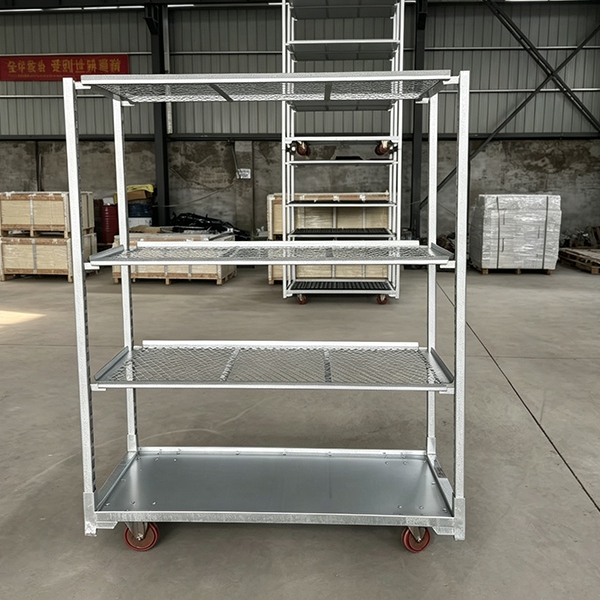
1、 Product Overview: The partition pull plate net seedling cart is a multi-layer turnover...
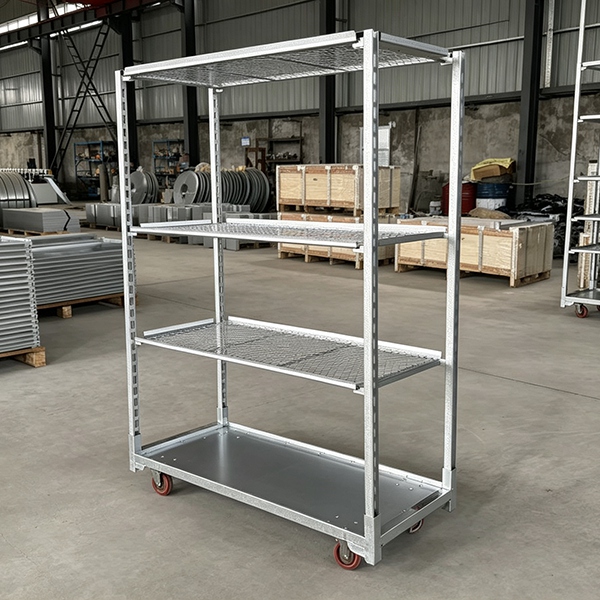
1、 Product Overview: The partition pull plate net seedling cart is a multi-layer turnover...
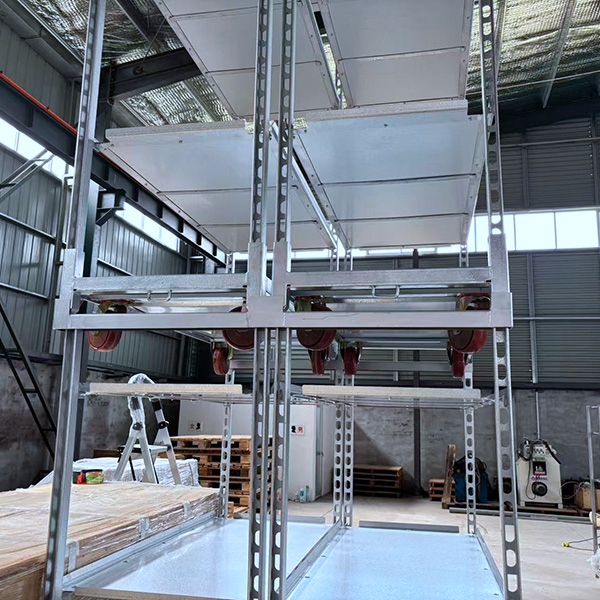
1、 Product Overview: The partition pull plate net seedling cart is a multi-layer turnover...
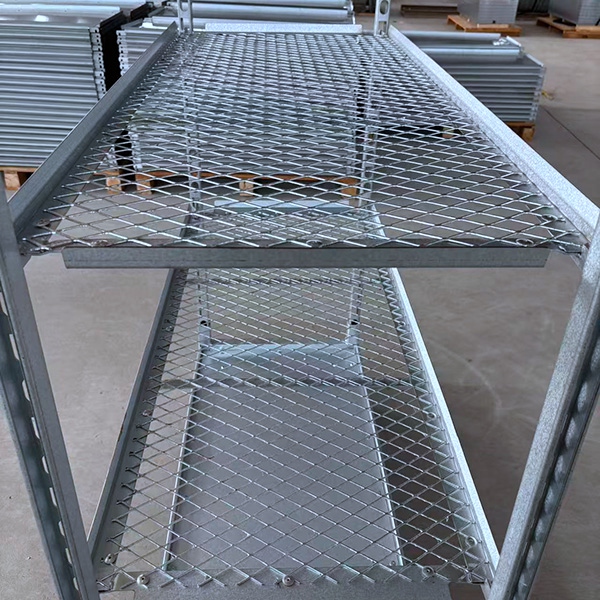
1、 Product Overview: The partition pull plate net seedling cart is a multi-layer turnover...